
Start Simple, Stay Consistent
Families don’t need sweeping declarations to get healthier. What works long term is small, sustainable actions micro habits. These are the five minute walks, the one veggie with dinner, the tech free half hour before bed. Easy to start, easy to repeat.
Trying to change everything at once usually backfires. Instead, start with one thing that feels almost too simple: a daily water goal, a short stretch in the morning, or a game night every Thursday. When routines feel manageable, they actually stick.
That said, building a routine that lasts means walking a line between structure and flexibility. Too rigid, and life knocks it over. Too loose, and it evaporates. The sweet spot? A skeleton schedule built around anchors like morning prep, dinner time, or bedtime then let the rest adjust as needed. Wellness doesn’t require overhauls. It requires momentum. Keep it realistic, and keep it moving.
Daily Anchors That Keep Everyone Grounded
The best routines aren’t flashy they’re reliable. Families don’t need perfect mornings or photogenic meals. What they need is predictability and a sense of control, even on chaotic days.
Start with mornings. It’s less about waking up at 5 a.m. and more about having a low friction path to starting the day. A 5 minute stretch, a shared smoothie, or even a quiet moment before screens it’s the consistent rhythm that matters. Pick one or two actions everyone can do, and make them stick.
Meal planning works better when it fits real schedules and tastes. Trying to cook like a wellness influencer isn’t sustainable. Instead, plan around what a real Wednesday looks like. Batch prep the basics, build in flexibility for leftovers, and don’t sweat the frozen pizza nights. What counts is eating together when you can, and creating a food environment the whole family feels part of.
As for evenings, lower the volume literally and mentally. Phones out of reach, lights softer, something shared like a quick stroll or a low stakes game can reset the day. Even 10 minutes of connection can pull the family out of go mode and into calm.
These anchors don’t require more time. Just a little intention. And a willingness to show up for each other, even when no one’s really in the mood.
Movement as a Family, Not a Chore
Forget the gym. Getting active as a family doesn’t have to mean matching tracksuits and forced laps. The key is to build movement into your everyday without labeling it as a workout. Backyard scavenger hunts, dance offs in the living room, even a walk and talk after dinner all count. Indoors or out, the goal is motion, not perfection.
For kids, playful beats structured. Think obstacle courses made from couch cushions or freeze tag that doubles as cardio. For adults, it’s about making that activity serve real life hauling groceries together, biking to the store, stretching during homework time. Find small moments to stack movement without making it a whole thing.
And here’s the most important part: your kids notice what you do more than what you say. Lacing up sneakers without a speech, showing up for ten minutes of yoga instead of announcing a full wellness crusade that’s how good habits get seeded. Model it. Keep it low key. Let fun lead.
More tips to blend fitness into everyday family life are over at How to Create a Family Wellness Routine.
Mental Wellness is Non Negotiable

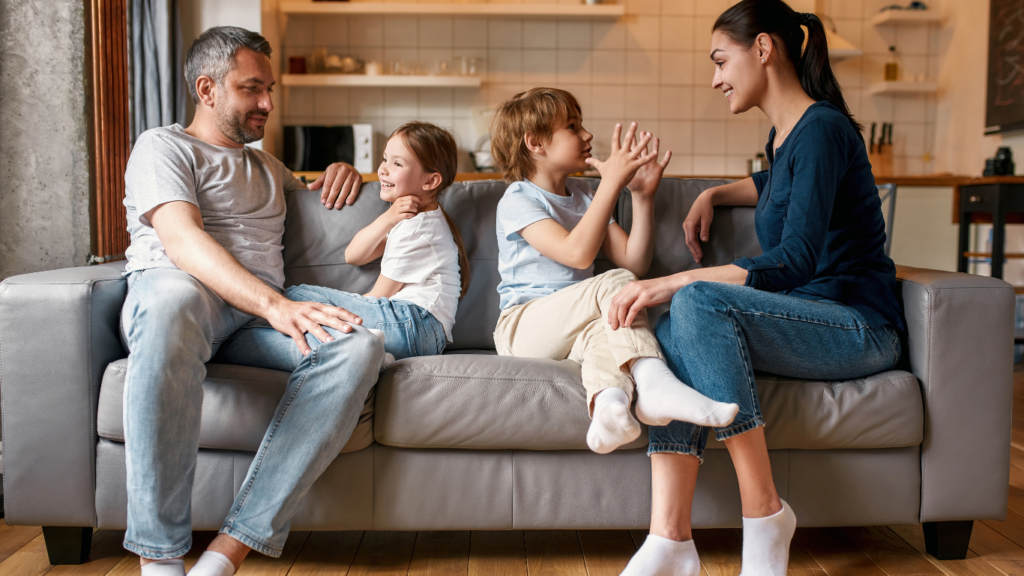
You don’t need a therapy degree to spot stress in your family you just need to ask the right questions at the right time. Easy emotional check ins can be as simple as a daily “high/low” talk at dinner or asking, “What’s one thing that felt hard today?” during the drive home. The key isn’t having all the answers, it’s making space to notice when someone’s running low.
Building an emotional vocabulary helps everyone, from toddlers to teens to adults. Use words beyond “okay” or “fine.” Try terms like “frustrated,” “worn out,” “disconnected,” or “content.” Model it, and they’ll start picking it up. It’s not about fixing every issue it’s about knowing how to name what you’re feeling so you can deal with it.
And yes, digital habits matter. A lot. Unplugging as a family shouldn’t feel like punishment. Make space for device free dinners or screen free Saturdays. Not forever just long enough to recalibrate. When everyone unplugs together, it shifts the vibe from restriction to recharge. Digital hygiene isn’t about blaming screens. It’s about giving your minds a breather.
Mental wellness doesn’t need to be another box to check. It just needs to be part of the rhythm.
Nutrition Without Battle Lines
Getting kids involved in the kitchen doesn’t have to mean chaos. Small, hands on tasks like stirring, rinsing veggies, or setting the table give them ownership over meals and a bigger chance they’ll actually eat what’s served. It’s not about raising a four year old sous chef. It’s about making food less of a mystery and more of a shared experience.
Grocery swaps can also make a quiet impact without flipping your budget upside down. Think about replacing sugary yogurts with plain Greek yogurt and fresh fruit. Or grabbing whole grain pasta instead of regular. These shifts don’t need to be dramatic to work they just need to be consistent.
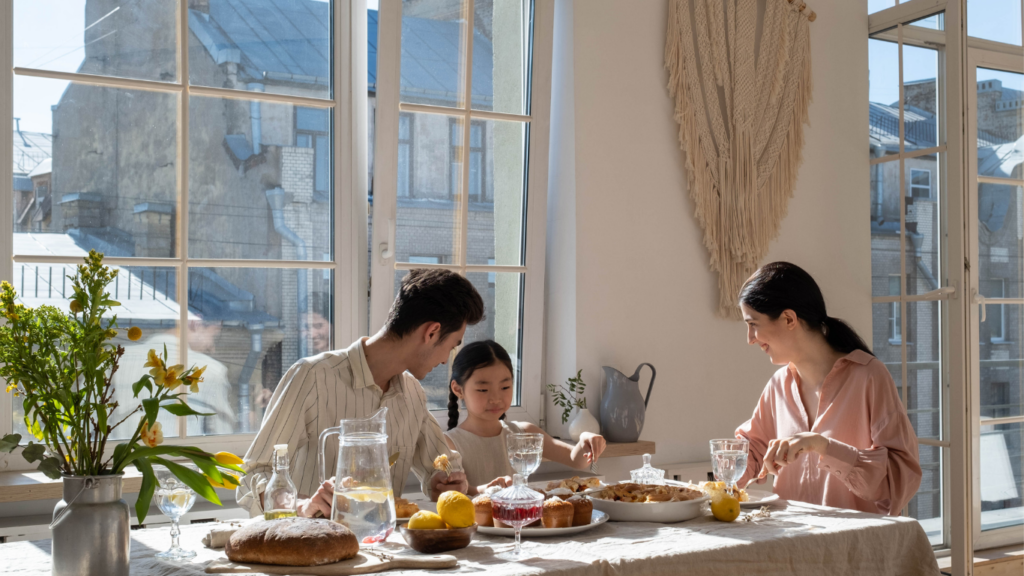
And when it comes to family meals, don’t turn the table into a lecture hall. Mealtime is prime time for connection, not nutrition lessons. Ask real questions: what made them laugh today, what felt hard. The food matters, but the conversation around it matters more.
For more ideas on building a healthy, low pressure routine, check out these family health routine tips.
Taking Wellness Outside the Home
A family wellness routine works best when it doesn’t stop at your front door. Syncing with your kid’s school calendar, practice schedule, or aftercare program can take the pressure off at home. If gym class is on Tuesdays and soccer is Thursday, maybe Wednesday becomes a rest or stretch day. Use what’s already in play don’t double stack energy demands.
Loop in caregivers and older relatives, too. If grandparents or babysitters are part of the weekly rhythm, give them a say. It’s not about piling more on them it’s about aligning everyone. A short walk with grandpa after school can be just as valuable as a structured workout.
Wellness shouldn’t be one more thing to juggle. It should blend in without becoming another line item on a parent’s never ending list. Focus on what’s actually doable with your family’s real schedule. Smart wellness isn’t intense it’s integrated.
Keeping It Sustainable
Wellness routines won’t stick if they turn into pressure cookers. Tracking progress helps, but it shouldn’t run your life. Instead of obsessing over data or perfection, look for patterns Is everyone sleeping better? Are meltdowns down to a minimum? Those are your real benchmarks. A simple weekly check in or a calendar note about how things felt can go a long way.
Kids grow, and schedules change. What worked during winter break might fall apart in soccer season. That’s not failure it’s evolution. Every few months, take a beat and ask: what’s working now? What’s just noise? Adjust the plan, not the goal.
And don’t wait for dramatic results to celebrate. If your kid remembered to pack their own lunch all week, that’s worth a high five. If the family walk turned into a spontaneous scavenger hunt, that’s a win. Momentum builds with small victories. Keep noticing them.











































































































































































































































































































































































































































































































































































































































































































































































































































































































































































































































































































































































































































































































































































































































































































































































































































































































































































































































































































































































































































































 Founder & Editorial Director