

Birth to 12 Months: Building a Strong Foundation
The first year is all about setting the groundwork. Babies are developing motor skills like lifting their heads, rolling over, and eventually sitting up. Just as important are the invisible things: trust, comfort, and connection. That bonding time isn’t fluff, it’s brain building.
Sensory play is huge right now. Anything from soft textures to gentle background noise helps make those brain circuits fire. Tummy time each day helps strengthen the neck and shoulders. Little routines like making eye contact during diaper changes or pausing to let your baby react to your voice go a long way.
Communication starts early. Even tiny babies are learning the back and forth of conversation through coos, smiles, and shared focus. When a baby babbles, babble back. When they gesture or change their expression, pause and respond. It teaches them that communication matters.
To keep tabs on progress without stressing over every single step, check out this milestone checklist.
1 to 3 Years: Toddler Discovery Phase
These years are fast moving. One day it’s “mama,” the next it’s full blown questions about everything. Language ramps up quickly during this stage toddlers begin to name emotions, express needs, and mimic adult conversations. Talking with them constantly (yes, even narrating your grocery trip) builds vocabulary and helps them connect words to the world.
Physically, they’re on the go. Walking turns into running. Climbing becomes a daily mission. Instead of restricting every movement, think safety first independence sturdy climbing toys, open spaces, and letting them fall without panicking. It teaches them how to problem solve with their bodies.
Tantrums? They’re normal. These little humans feel big feelings. Your role? Stay calm, keep structure in place, and name what they’re feeling. “You’re mad because you can’t have the toy. That’s okay to feel. It’s not okay to hit.”
Play is their job, and it’s how they figure out how the world works. Blocks, simple puzzles, matching games these all spark curiosity and build the early wiring needed for reasoning and focus later on.
Not sure your toddler’s tracking with peers? Use this milestone checklist to keep perspective and spot anything early.
4 to 5 Years: Pre K Readiness
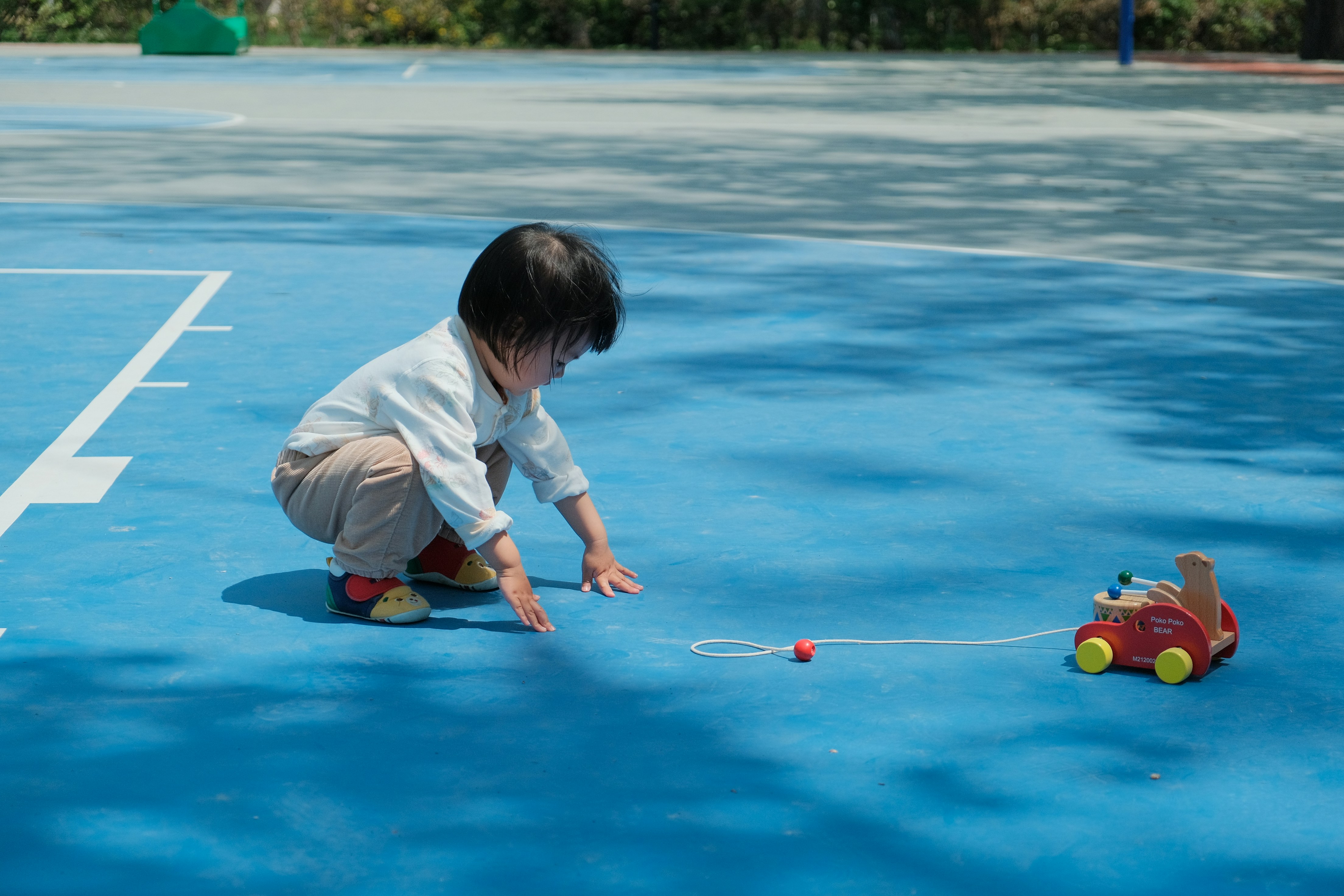
By age four, kids are blooming socially, verbally, and mentally. This stage is all about sharpening the tools they’ll take into kindergarten and life.
First, communication takes a leap. Kids begin telling stories, asking thoughtful questions, and using full sentences. The best way to support this? Talk with them often. Not at them with them. Ask open ended questions. Reflect their thoughts back. Conversations become practice for clear thinking.
Fine motor skill growth is in full swing too. Scissors, crayons, glue sticks these are now tools for skill building, not just mess makers. Let them draw, cut along lines, and string beads. These small movements prep hands for writing and self help tasks like zippers and buttons.
Social play also deepens. Cooperative games, role play, and basic board games help them grasp how to take turns, share ideas, and solve simple problems together. Friendships begin to stick, and kids start learning what being a good friend really means.
Early academic learning ramps up during this time, especially around numbers and letters. Focus less on worksheets and more on playful learning counting snacks, spotting letters during walks, singing memory songs. Repetition and games go a long way. Keep it light, but consistent.
This is a stretch of massive growth. Help them stay curious, build their basics, and feel secure enough to try hard things.
6 to 8 Years: Early School Years
By the time kids hit the early grades, school isn’t just about play anymore reading, writing, and staying focused in class start to matter a lot more. At home, this is where routines come in. Carve out quiet time for reading not just homework, but books they actually enjoy. Keep distractions down and balance screen time with moments for reflection or unstructured play. Attention spans are still developing, so consistent structure helps.
Emotionally, friendships are getting more complicated. Peer pressure creeps in earlier than most expect. One minute they’re best friends with someone, the next it’s drama over who sat where at lunch. Your job isn’t to solve every meltdown; it’s to listen, validate, and help them name what they’re feeling. Simple conversations build big emotional muscles.
Resilience and problem solving? Start small. Let them face minor struggles, like finishing a tough puzzle or figuring out how to fix a mistake in homework. Praise effort, not just results. The lesson isn’t just learning a skill it’s learning they can come back from setbacks.
Lastly: routines. Kids this age need about 9 11 hours of sleep. That’s non negotiable. Screen rules should be clear devices off well before bedtime. And don’t overlook movement. Walks, scooters, just running around it all counts. Physical activity isn’t just for the body, it clears their heads too.
9 to 12 Years: Expanding Emotional and Cognitive Skills
This age range is a turning point. Kids start thinking more logically, asking tougher questions, and testing boundaries in a whole new way. It’s not rebellion it’s growth. Parents can help by encouraging independent thinking. Let them make small decisions. Let natural consequences teach when it’s safe to do so. It builds autonomy.
Goal setting becomes powerful here. Whether it’s mastering a sport, saving for a bike, or sticking to a reading schedule, goals teach discipline and allow kids to feel capable. A checklist on the fridge or quick weekly check ins keep the process low pressure but meaningful.
They’re also starting to figure out who they are and where they fit. Open ended talks about identity, friendships, changes in school dynamics make a big impact. You don’t have to have it all figured out either. Ask questions. Follow their curiosity.
And then there’s the body. Puberty starts differently for every kid, so normalizing emotional changes and physical shifts early helps reduce fear. Honest, age appropriate conversations lay a foundation of trust before adolescence hits full speed. Keep it simple, but don’t dodge it. Kids would rather hear from you than wander confused.
Parenting here isn’t about control it’s about showing up consistently, so they know where their anchor is when things start shifting.
Staying Proactive as a Parent
Spotting developmental red flags early isn’t about panic it’s about paying attention. If your child isn’t hitting several key milestones over time like not responding to their name by 12 months or not using short phrases by age 2 it could be worth checking in with a pediatrician. One missed marker isn’t the whole story. Patterns matter more than isolated delays.
That said, comparing your child to every other kid on the playground isn’t helpful. Timelines vary. Some toddlers sprint ahead with speech, while others are busy mastering movement or solving puzzles. Development isn’t a straight line, and each child follows their own pace.
To stay grounded and informed, use reliable tools like this milestone checklist. It helps you track progress without getting overwhelmed. Think of it as a guide, not a deadline.
Being proactive doesn’t mean being perfect. It means staying curious, asking questions, and showing up even when things feel uncertain.











































































































































































































































































































































































































































































































































































































































































































































































































































































































































































































































































































































































































































































































































































































































































































































































































































































































































































































































































































































































































































































 Family Wellness Editor