

Why Immune Health Starts in the Kitchen
Kids’ immune systems are still under construction. While they’re busy growing up, their bodies are also figuring out how to fight off bugs, germs, and everything else the world throws at them. Food plays a huge role here not just as fuel, but as raw material for that defense system. Give kids the right nutrients, and you’re not only helping them stay well today; you’re building a stronger, smarter immune response for the long haul.
The problem? Most kids’ diets are missing a few key players. Vitamin D, zinc, iron, and fiber often fall through the cracks. Too much packaged food, not enough variety. It’s not about being perfect, but small lack here and there can start to add up especially when cold season hits or they’re passing snacks around at school.
Daily food choices do more than fill bellies. They shape how resilient your child becomes over time. So even if you can’t control every bite, aiming for balance a bit more color, a bit more whole food is a powerful move that pays off beyond the plate.
Colorful Fruits and Vegetables
Let’s keep it simple: if it’s bright, fresh, and from the ground, chances are it’s good for your kid’s immune system. Fruits and vegetables deliver vitamins A and C, fiber, and antioxidants the exact stuff growing bodies need to help fend off everyday bugs. Sweet potatoes, carrots, berries, spinach? All heavy hitters in the nutrition department.
Here’s the trick: don’t just toss spinach on a plate and expect cheers. Blend greens into smoothies, bake sweet potato fries, or stir puréed carrots into mac and cheese when no one’s looking. Berries? Serve them frozen or on a skewer and suddenly they’re way more fun. The key isn’t sneaking it’s rethinking presentation. If it’s colorful and easy to eat with fingers or a spoon, you’re halfway there.
Yogurt and Probiotic Foods
A healthy gut means a stronger immune system, and yogurt is an easy way to support both. It’s full of probiotics good bacteria that help balance kids’ digestive systems and fend off unwanted bugs. The trick? Skip the sugary, cartoon labeled versions and go for plain yogurt instead. You can always add your own fun mix in fresh berries, sliced banana, or a sprinkle of granola to keep it kid friendly without losing nutrition.
Not all probiotics come from yogurt, either. Kefir, miso, and even some fermented veggies can make their way into meals in small, manageable servings. But if your kid’s go to is yogurt, that’s a solid place to start. It works with breakfast, lunch, or as a snack and their immune system gets backup with every spoonful.
Citrus Fruits for Vitamin C
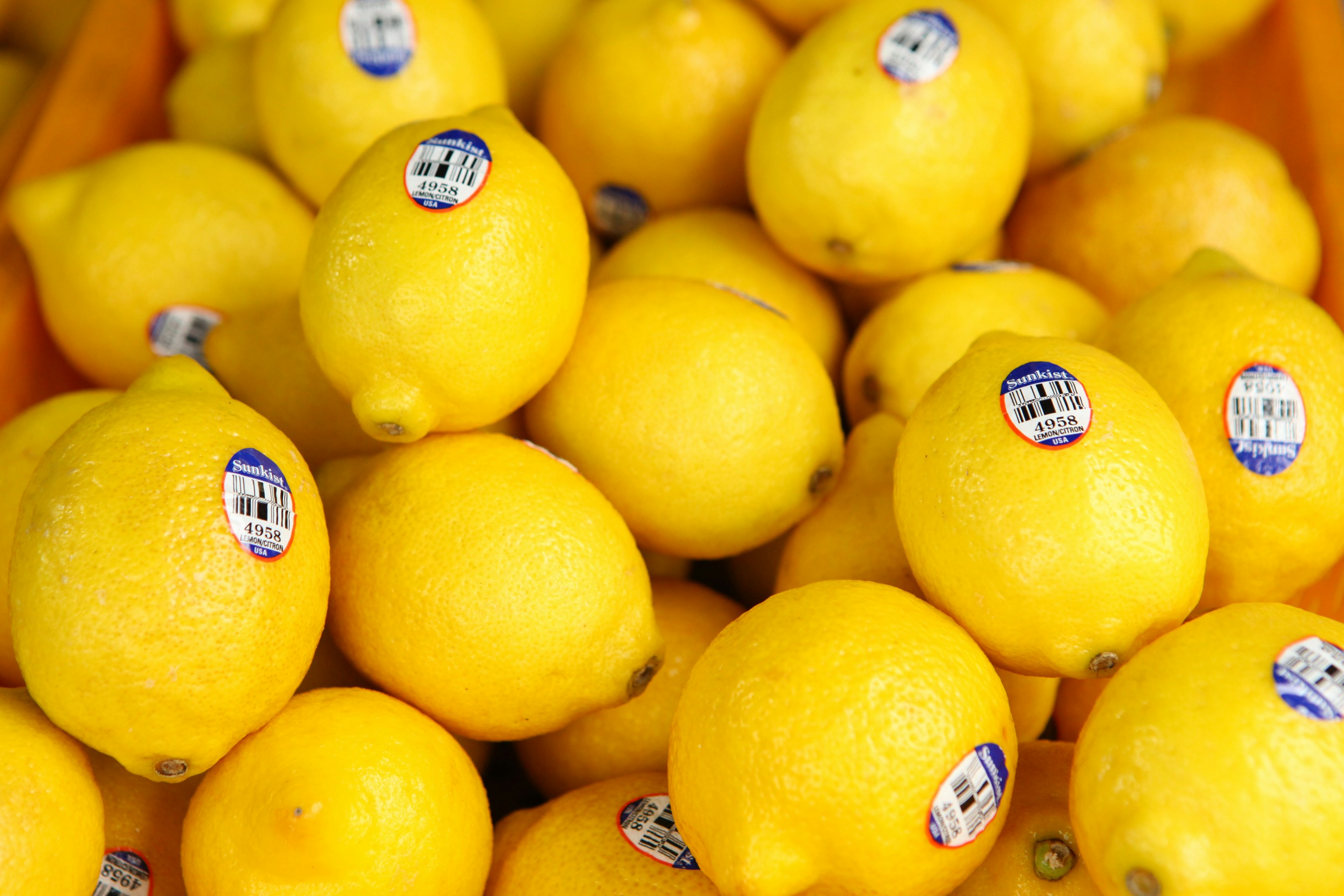
Oranges, tangerines, grapefruits, and even a splash of lemon water these aren’t just refreshing, they’re legit immune boosters. Packed with vitamin C, citrus fruits play a real role in supporting your kid’s white blood cell production, which means they’re better prepped to fight off colds and other bugs.
Kids tend to love the sweetness of tangerines and oranges, so snacks are easy: peel and pack wedges for lunchboxes, orange slices with breakfast, or a small cup of fresh juice (no added sugar) on busy mornings. If you’re after a fast hydration win, lemon water with a drop of honey can be a solid swap for sugary drinks. Keep it simple, keep it consistent that’s how citrus works its magic.
Lean Proteins and Zinc Rich Foods
A strong immune system depends on getting the right nutrients consistently especially protein and zinc. These building blocks help the body create immune cells that fight off illness and promote quick recovery.
Power Sources for Protein and Zinc
Include these foods regularly to support immunity during growth and development:
Lean meats: Chicken and turkey are excellent sources of clean protein.
Plant based proteins: Beans and lentils offer fiber and nutrients without saturated fat.
Nuts and seeds: Almonds, cashews, pumpkin seeds, and sunflower seeds add crunch and key minerals.
Eggs: A simple, protein packed option loaded with zinc and vitamin D.
Why Zinc Matters
Zinc plays a crucial role in:
Wound healing
Enzyme function
Immune cell development
Fighting off bacteria and viruses
Since the body doesn’t store zinc, it needs to be replenished through food daily.
Smart Zinc Boosting Snack Swaps
Try these kid friendly ideas to sneak in more zinc without added sugar:
Swap sugary granola bars with homemade trail mix using nuts, seeds, and dried fruit.
Trade processed snacks for roasted chickpeas or whole grain crackers with hummus.
Replace sugary yogurts with plain Greek yogurt topped with crushed nuts or nut butter.
Little changes in snacks can have a big impact on your child’s immune health over time.
Whole Grains and Complex Carbs
When mornings are hectic and nutrition gets squeezed, complex carbs are a quiet hero. Whole grains like oats, quinoa, and whole wheat release energy slowly, helping keep blood sugar stable. That’s key for powering a child’s day without the crashes that come with sugary breakfast cereals and white bread.
Why does this matter for immunity? A steady fuel supply backs up the body’s natural defenses. When blood sugar swings too often, it can weaken the immune response. Think of whole grains as long burning logs on the fire: calm, steady, reliable.
Need quick ideas? Overnight oats are a no brainer make them ahead with chia seeds, fruit, and a dash of cinnamon. Toasted whole wheat pita with almond butter works too. Or a warm quinoa bowl with scrambled eggs and a swirl of salsa. These aren’t fancy, just fast, nutrient packed, and easy to rotate through the week.
Hydration the Healthy Way
Water is the unsung hero of the immune system. It helps keep everything moving nutrients, waste, and white blood cells. For kids, step one is simple: make water the go to. That means scaling back on sugary juices, sports drinks, and soda habitually poured into lunchboxes. These drinks spike blood sugar and add zero value to immunity.
If plain water gets boring, mix it up without piling on sugar. Herbal teas (think chamomile or mint, cooled for younger kids) and water rich fruits like watermelon, cucumbers, and oranges add hydration with a naturally sweet twist. Keep it accessible too fun cups, easy fill water bottles, and sliced fruit in a pitcher go a long way.
It’s not about bans or battles. Just subtle switches that hydrate and help their bodies do what they were built to do.
Everyday Habits That Help
Building a strong immune system isn’t about chasing perfection it’s about showing up consistently. One green smoothie won’t cancel out a week of fast food, but steady habits will move the needle. Little daily choices stack up over time. Think: regular meals, balanced plates, and routines you can actually stick to.
But food isn’t the whole story. Sleep matters a lot. So does daytime movement, time outdoors, and keeping stress low. Kids who are rested, active, and emotionally supported tend to get sick less often and bounce back faster.
If you’re looking to simplify your day to day and keep your family’s wellness top of mind, these family nutrition tips can help make healthy eating habits a lot more manageable.
Put It All Together
The easiest way to make immune focused eating work for your family? Keep it simple. Rotate a few staple ingredients into mix and match meals that work anytime: roasted sweet potatoes, grilled chicken breast, steamed broccoli, hard boiled eggs, hummus, brown rice, and fresh fruit. Let kids choose their combinations for lunchboxes or dinner plates it gives them some control and keeps meals stress free.
Use Sundays (or whatever quiet day you have) as a reset point. Chop veggies, portion proteins, hard boil eggs, and assemble snack bags for the week. It’s not fancy meal prep it’s survival with a strategy. Get the kids involved too. Even five year olds can rinse berries or tear lettuce.
Schedule repeat meals. Taco Tuesday or Stir fry Friday takes one more decision off your plate. With a strong base of nutritious foods in rotation, it’s easier to stay balanced without overthinking every snack.
For more ideas that don’t require a culinary degree, check out these family nutrition tips. The goal isn’t perfect meals it’s building consistency without losing your mind.














































































































































































































































































































































































































































































































































































































































































































































































































































































































































































































































































































































































 Founder & Editorial Director