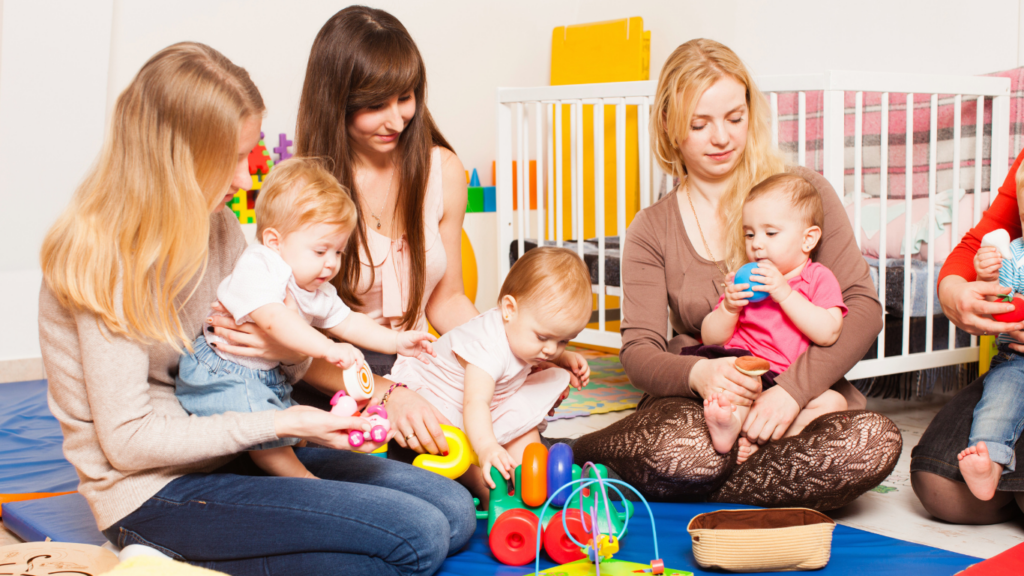

Why Confidence in Parenting Feels Harder Than Ever
Modern parenting doesn’t come with silence or solitude. It comes with five browser tabs open, a flood of parenting advice on social media, and the quiet pressure of always feeling a step behind. The internet is full of contradictory tips, milestone charts, gentle parenting guides, warnings, hacks and somehow, you’re supposed to filter all of it while managing real life chaos.
Then comes the comparison trap. One scroll through a perfectly curated family vlog, or even a well meaning Instagram post, and the doubts settle in: Am I doing enough? Why does their kid eat kale and mine won’t touch apples? Add in pandemic residue and a shrinking village of in person support, and a lot of parents are running on fumes without even realizing it.
Confidence in parenting isn’t something people are born with. For most of us, it’s built brick by messy, frustrating, joyful brick. Often with help. You figure things out faster when someone says, “Hey, I’ve been there too.”
It’s worth pointing out: many struggles rarely make it into daily conversation. Feeling touched out. Dealing with resentment. Doubting whether you even like parenting some days. Most parents wrestle with these thoughts. Talking about them doesn’t make you weak it makes you real.
How Peer Support Actually Boosts Confidence
There’s something grounding about hearing someone else say, “Yeah, me too.” Shared experience cuts through the noise, especially in parenting, where doubt comes easy and answers don’t always show up in articles or apps. Just knowing you’re not the only one who’s overwhelmed, second guessing, or stretched thin can lower tension. It makes the load a little lighter.
Then there’s the learning. Not from textbooks, but from actual stories real situations, real screw ups, real wins. Listening to other parents talk openly isn’t just relatable, it teaches by example. You see what worked (and what didn’t), and you pick up tactics that aren’t theoretical they’re tested in the wild. That kind of wisdom sticks.
And the stress? It doesn’t disappear, but it shifts. Having someone nod instead of judge, someone who’s been there, makes a big difference. Peer support isn’t therapy it’s connection. And that kind of connection builds something most parents didn’t know they needed: quiet, persistent confidence.
Types of Peer Support That Make a Difference

Peer support doesn’t have to be formal, polished, or perfectly scheduled to help. Sometimes, the best reassurance comes from a quick chat at school pickup or a vent session with a friend on the weekend. These informal circles friends, school gates, church gatherings, park meetups lower the barrier for connection. They’re about showing up as you are, without appointments or agendas.
Then there are structured groups, and they’re just as important for a different reason. Online communities, parenting forums, and local support networks provide more targeted sharing especially useful when you’re navigating specific challenges. There’s a rhythm and reliability to these groups that help when life feels chaotic.
You’ll find parenting circles for just about everything now. Think single dad communities sharing co parenting hacks, mom groups discussing postpartum mental health, or parents of neurodiverse kids trading practical tools and emotional wins. These spaces offer a mix of listening and learning that can reshape how someone shows up for their family. When parents feel seen and understood, they get braver not just in parenting, but in simply being human.
Real World Wins from Community Based Support
When parents tap into peer support communities, the impact goes far beyond casual conversation. Real changes in family dynamics and personal confidence come from feeling seen, supported, and inspired by others facing the same challenges.
A Calmer, More Connected Home
Connecting with others who understand your parenting journey has proven emotional benefits. Parents often report:
A noticeable decrease in daily stress
Increased patience during tough moments
More joyful, playful interactions with their children
Even short conversations with empathetic peers can shift mindset and mood, setting the tone for a calmer household.
Learning in Real Life, Not Just Theory
Support groups offer more than advice they offer lived experience. When parents try tips or new strategies recommended by trusted peers, they gain:
Fresh, practical approaches rooted in real life
Increased willingness to experiment or adapt routines
A sense of confidence from knowing strategies have worked for others
When guidance comes from someone who’s been there, it feels more doable and more trustworthy.
Motivated by Accountability and Encouragement
Consistency is hard when you’re parenting on an island. Community support creates motivation through:
Gentle accountability (“Let’s both try this and check in next week”)
Encouragement when progress feels slow or invisible
Celebrating small wins to stay inspired over time
Peer to peer connection keeps the long game in focus, helping parents inch forward through the everyday messiness.
Explore more here: community support for parents
Making the Most of Support Systems
Not every community is the right fit and that’s fine. The key is to join groups that actually align with how you parent, what you care about, and how you want to grow. Skip the hype around groups that are heavy on aesthetics but light on substance. Go where the values match, not just the hashtags.
Being part of a support system isn’t just about talking. It’s about knowing when to tune in, when to speak up, and when others need the floor. Strong communities work because everyone brings something and everyone learns something. Sometimes you offer your experience. Sometimes you ask the tough questions. Sometimes someone else quietly shows up for you in a way you didn’t even know you needed.
Support is a two way street. If you show up with honesty and openness, you’re likely to get the same in return. That back and forth is what builds real confidence not just in your parenting journey, but in yourself. For a closer look at why strong peer networks matter, check out the full breakdown here: community support for parents.
Bottom Line: Confidence Is a Team Sport
Here’s the truth most parenting books won’t tell you: nobody has it all figured out. And pretending you do? That’s just pressure talking. Confidence doesn’t come from having every answer it comes from connection. Real, honest human connection.
The strongest parents aren’t always the ones with the best routines or the flashiest Pinterest lunches. They’re the ones who know where to turn when things get messy. They ask for help. They listen. And just as importantly, they show up for others. That two way street giving and receiving support is where true confidence begins to grow.
So if you’re second guessing yourself, good. That means you’re invested. Now take the next step. Find your people. Be someone else’s lifeline, and let them be yours. Perfection’s a myth. But community? That’s the real strategy.












































































































































































































































































































































































































































































































































































































































































































































































































































































































































































































































































































































































 Family Wellness Editor